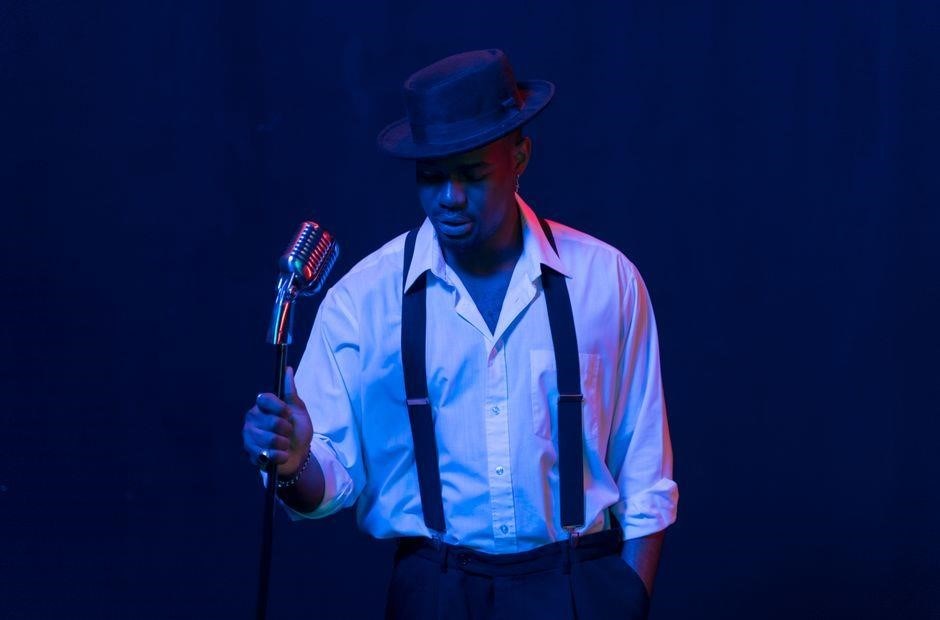
Overview of James Baldwin Sonny’s Blues

Sonny’s Blues is James Baldwin’s celebrated 1957 short story depicting two African-American brothers’ fractured relationship in 1950s Harlem. The unnamed algebra teacher narrates his younger brother Sonny’s heroin struggle and blues piano salvation. Through jazz’s transcendent power‚ Baldwin explores suffering‚ redemption‚ and familial reconciliation.

Plot Summary and Narrative Structure
Narrator finds Sonny arrested. Flashbacks: Harlem youth‚ mother’s death‚ broken vow. Sonny chooses jazz‚ joins navy. Estrangement ends after daughter’s death. Nightclub climax: Sonny’s blues turn agony into art‚ granting narrator deep empathy and reconciliation;
The Two Brothers’ Conflicting Perspectives
The unnamed narrator embodies respectability politics‚ seeking safety through algebra‚ military service‚ and middle-class assimilation. He views Harlem’s darkness as a trap to escape via conventional success‚ suppressing trauma behind a veneer of order. Conversely‚ Sonny embraces the abyss‚ channeling communal suffering into jazz improvisation. He rejects societal norms‚ using heroin and music as parallel conduits for articulating unbearable pain. Their conflict crystallizes when the narrator dismisses Sonny’s piano ambition as mere foolishness‚ failing to grasp art’s salvific function. Sonny accuses his brother of walking in darkness while pretending it is light. The narrator’s rigid pragmatism clashes with Sonny’s chaotic vulnerability‚ creating a chasm of misunderstanding. Only after Grace’s death does the narrator’s armor crack‚ allowing him to perceive Sonny’s music not as noise‚ but as a desperate‚ structured testimony. This epistemological divide—between controlling narrative and surrendering to rhythm—drives the story’s emotional tension toward eventual catharsis and mutual recognition. The narrative structure mirrors this dialectic‚ oscillating between the narrator’s linear‚ repressed recollections and Sonny’s cyclical‚ improvisational temporality. Flashbacks interrupt the present‚ mimicking trauma’s intrusion‚ while the club scene resolves dissonance into harmony. Ultimately‚ Baldwin suggests true brotherhood requires neither assimilation nor rebellion alone‚ but a synthesis where the teacher learns to listen and the musician profoundly articulates the inexpressible‚ deeply transforming private agony into collective catharsis through the blues’ communal ritual and hope together now.
Harlem Setting in the 1950s
Baldwin renders 1950s Harlem as a suffocating landscape where gleaming housing projects mask endemic despair and the “vivid‚ killing” streets define existence. The narrator describes avenues where darkness roars against windows‚ and children bump into “the darkness of the movies” and “the darkness of their lives” with inevitability. The new projects stand like “rocks in the middle of a boiling sea‚” symbols of institutional neglect rather than genuine progress. Heroin permeates shadowed alleyways‚ claiming youths like Sonny‚ while revival tents offer fleeting solace. The narrator’s classroom provides sterile escape‚ yet the schoolyard echoes with pervasive hopelessness. Contrastingly‚ the downtown nightclub—a dim‚ smoky basement—becomes a sanctuary where Creole presides over a sacred ritual of sound. Here‚ the “cup of trembling” glows atop the piano‚ transforming oppressive geography into hallowed ground. The setting operates as antagonist: its walls close in‚ its avenues lead to prison or death‚ yet its cultural pulse births the blues. Baldwin insists environment shapes consciousness; the brothers’ divergence stems from how each navigates this labyrinth. The narrator flees upward into respectability; Sonny descends into the music’s depths‚ ultimately transmuting the neighborhood’s collective agony into a universal language of survival and grace. This intricate portrayal cements Harlem’s role as both prison and crucible‚ essential to the narrative’s enduring power and resonance. The subway ride reveals segregation‚ while the cab traverses avenues where the wealthy ignore the poor’s plight. Ultimately‚ the setting is not static backdrop but a living entity that demands witness‚ forcing the narrator to truly hear from piano keys.
The Climactic Nightclub Performance
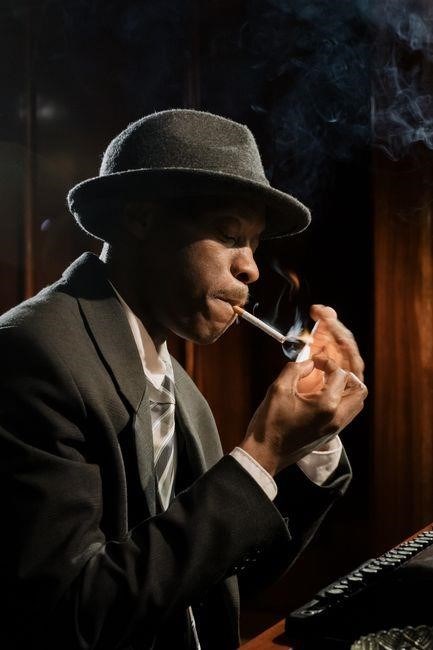
The narrative crescendo arrives in a dimly lit Greenwich Village nightclub where the narrator‚ surrendering his protective detachment‚ finally witnesses Sonny’s profound alchemy at the piano. Creole‚ the seasoned bassist and paternal guide‚ anchors the ensemble‚ coaxing Sonny from hesitant‚ trembling scales into a ferocious‚ intimate dialogue with the ivory keys. The brother watches‚ transfixed and humbled‚ as Sonny wrestles the instrument‚ transforming private agony and the weight of Harlem’s streets into a communal language of survival. Baldwin describes the “cup of trembling” glowing vividly above the piano‚ a potent biblical metaphor for shared suffering transmuted into hard-won grace. The narrator realizes with sudden clarity that the blues are not Sonny’s solitary burden but belong to everyone in that smoky‚ sacred room—each note a testament to collective endurance against the “vivid‚ killing streets” of their youth. When Sonny’s fingers finally claim the melody “Am I Blue‚” the invisible barrier between the brothers shatters completely. The narrator sends a drink—scotch and milk—which rests glowing like a secular chalice upon the trembling wood. This moment signifies ultimate understanding: art does not erase pain but renders it bearable‚ forging profound connection from years of isolation and silence. The performance becomes a sacred rite where music purchases redemption‚ allowing the narrator to finally hear his brother’s soul and accept the beautiful‚ terrible burden of their shared history and enduring love. In the final chorus‚ the music swells into a cathartic release‚ washing away years of silence‚ leaving only the pure‚ resonant truth of their reconciliation echoing in the dark.
Major Themes and Symbolism
Baldwin weaves music‚ darkness‚ and light into a profound exploration of Black suffering and redemption. The “cup of trembling” symbolizes shared anguish transformed by jazz into communal grace. Heroin represents escape; the piano‚ voice. Ultimately‚ art bridges the abyss between brothers‚ offering survival.
Music as Redemption and Communication
In Sonny’s Blues‚ jazz functions as the narrative’s spiritual core‚ transforming raw suffering into articulate testimony. Baldwin portrays music not merely as entertainment but as a sacred language through which the inexpressible pain of Black existence in 1950s Harlem finds voice. When Sonny explains that heroin made him feel “in control‚” the narrator realizes both brothers have sought anesthesia—one through algebra’s rigid order‚ the other through chemical escape. The climactic nightclub scene reveals music’s redemptive architecture: Creole and the band create a “circle of sound” where Sonny’s piano becomes a vessel for collective history. As the narrator observes‚ “Freedom lurked around us and I understood‚ at last‚ that he could help us to be free if we would listen.” The blues‚ specifically‚ operate as communal technology—call and response bridging isolation. Sonny’s improvisation on “Am I Blue?” transmutes personal addiction‚ brotherly alienation‚ and generational trauma into shared catharsis. The “cup of trembling” passed between musician and audience echoes biblical communion‚ suggesting art as secular sacrament. Through jazz’s disciplined chaos‚ Baldwin illustrates how African American culture converts oppression into beauty‚ offering not resolution but resilience—a way to “make it ours” through collaborative creation.
Suffering and Survival in African American Life
Baldwin’s narrative exposes the pervasive suffering inherent to Black existence in mid-century Harlem‚ where systemic racism‚ economic marginalization‚ and psychological trauma create what the narrator calls “the darkness outside.” The story opens with the narrator reading about Sonny’s arrest while teaching algebra in a school resembling “the schools we went to”—institutions designed to contain rather than liberate. Their mother’s death‚ their uncle’s murder by white drunkards‚ and the father’s subsequent paralysis illustrate intergenerational wounding. The housing projects represent “a parody of the good‚ clean‚ faceless life‚” trapping residents in cycles of despair. Yet survival manifests through communal rituals: the revival meeting’s “old‚ old story” of deliverance‚ the barmaid’s laugh touching “something deep inside‚” and Sonny’s music transforming private agony into collective endurance. The narrator’s epiphany—”my trouble made his real”—reveals survival’s relational nature; witnessing another’s pain validates one’s own. Baldwin suggests African American survival requires not transcendence but testimony: bearing witness to “the tale of how we suffer‚ and how we are delighted‚ and how we may triumph” through shared cultural practices refusing erasure.
Darkness and Light Imagery
Baldwin employs darkness and light as central metaphors for story’s emotional landscape. The opening scene finds the narrator trapped in a subway car’s “swinging lights” reading of Sonny’s arrest‚ the “darkness roaring outside” symbolizing societal oblivion. Childhood memories feature adults sitting in “the dark” after Sunday dinner‚ their silence heavy with unspoken trauma: “the darkness outside is what the old folks have been talking about.” The movie theater’s “darkness” offers temporary escape yet mirrors the bleak projects’ entrapment. Light often signifies harsh stark exposure—the “spotlight” on the bandstand‚ the “glare” of the housing projects—while darkness represents both menace and sanctuary. The revival meeting’s “rhythm” pulses beneath “street lamps‚” contrasting institutional religion’s “bright” hypocrisy with communal suffering. The narrator’s classroom provides artificial “light” failing to penetrate students’ “dark” futures‚ while “two darknesses”—outside and within—merge in Sonny’s addiction; The nightclub’s “indigo light” creates a liminal space where Sonny’s music transforms private agony into collective testimony. The narrator notes Creole “hit something in all of them” under that blue glow‚ guiding Sonny through “deep water.” Bandstand’s “spotlight” isolates yet reveals; Creole’s bass navigates “deep water” where “light” fails. Final image—Sonny’s cup of scotch and milk glowing “like the holy cup of trembling”—fuses biblical allusion (Isaiah 51:17) with jazz aesthetics‚ suggesting redemption lies not in blinding light but luminous darkness where truth resonates. This profound chiaroscuro reflects Baldwin’s vision: clarity truly emerges through deep shadow now.
Character Analysis
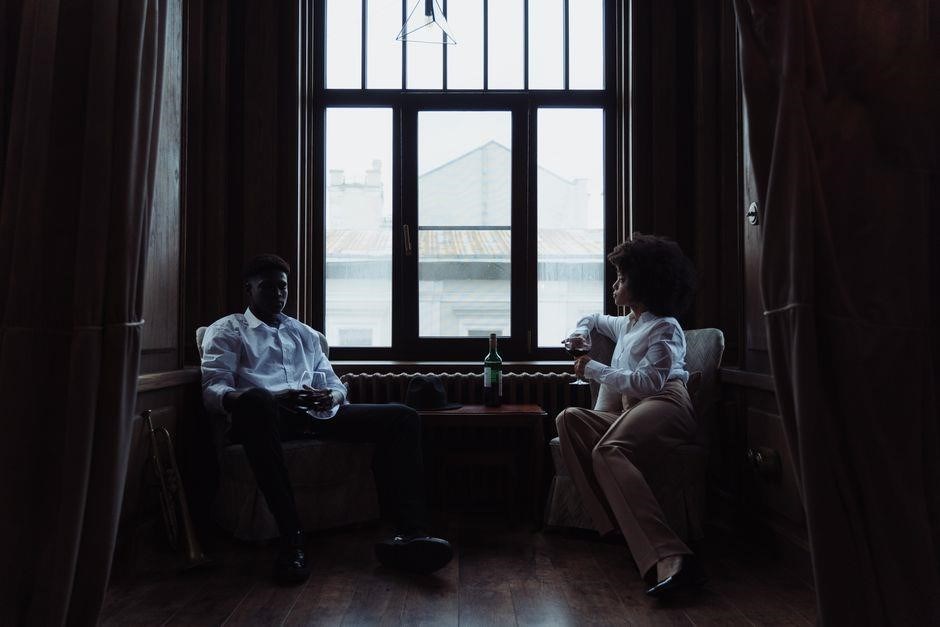
Baldwin juxtaposes the narrator’s guarded rationality against Sonny’s raw musical vulnerability. Their clash reflects generational trauma; reconciliation arrives via jazz’s communal language‚ revealing shared suffering’s redemptive potential by music’s grace.
The Unnamed Narrator’s Transformation
The unnamed narrator‚ a Harlem algebra teacher‚ embodies repressed respectability and emotional detachment. Initially‚ he views Sonny’s jazz ambition and heroin addiction through a lens of bourgeois judgment‚ equating music with moral decay. His narrative voice is clinical‚ suppressing trauma—their father’s brother killed by white racists‚ his own daughter Grace’s death from polio. This armor cracks when Sonny returns from prison. The narrator’s epiphany unfolds gradually: witnessing a street revival meeting‚ he grasps music’s communal catharsis. At the nightclub‚ Creole’s band initiates him into blues as testimony‚ not entertainment. Sonny’s solo becomes a conversation with suffering; the narrator finally hears his brother’s “tale of how we suffer‚ and how we are delighted‚ and how we may triumph.” Tears signal his surrender to shared vulnerability. He sends a drink—scotch and milk—glowing “like the very cup of trembling‚” accepting Sonny’s offering. Transformation completes when he realizes their darkness is identical; salvation lies not in escape but in bearing witness together through art’s unflinching honesty.
Sonny’s Struggle with Addiction and Art
Sonny’s existence balances precariously between the needle and the keys‚ dual refuges from Harlem’s crushing‚ generational weight. Heroin provides fleeting anesthesia against the “storm” of systemic racism‚ poverty‚ and existential despair; jazz demands ruthless honesty and collective communion. A police raid leads to prison‚ physically manifesting his social entrapment and breaking the narrator’s promise to their deceased mother to “hold on” to his brother. Yet music remains his sanctuary and primary language. In a pivotal letter from prison‚ Sonny articulates the terrifying necessity of the drug: it makes him feel “in control” amidst chaos‚ a paradox mirroring improvisation’s disciplined freedom. At the piano‚ Sonny transmutes raw agony into structured blues narratives. The melody fractures and reassembles‚ mirroring his fragmented psyche seeking wholeness through the blue note’s bent pitch. His fingers negotiate the instrument like a penitent seeking grace‚ each run a confrontation with the abyss. Creole‚ the seasoned bassist‚ mentors him through “Am I Blue?”—a musical dialogue where addiction’s chaos meets art’s rigorous order. Creole forces Sonny deep‚ demanding he tell his story‚ not just play notes. The nightclub performance becomes testimony: Sonny plays for his very survival‚ each phrase a negotiation with mortality. He converts private suffering into shared language‚ the narrator comprehends his brother’s burden‚ realizing the music bridges their abyss. Proving art doesn’t erase addiction but transfigures the sufferer. The “cup of trembling” signifies this deeply fragile grace: addiction ever-present‚ art truly ever-transcendent‚ brotherhood restored.
Critical Reception and Literary Legacy
Widely anthologized‚ “Sonny’s Blues” is hailed as a masterpiece of African American literature. Critics praise Baldwin’s jazz-infused prose and profound exploration of brotherhood‚ suffering‚ and redemption. It remains essential in academic curricula globally. It endures eternally.
Availability of PDF Versions for Academic Study
Students and scholars seeking Sonny’s Blues in PDF format for academic research must prioritize authorized channels to ensure textual accuracy and copyright compliance. Because James Baldwin’s estate retains copyright‚ full-text PDFs are seldom legally hosted on open public websites; unauthorized uploads frequently contain transcription errors or missing passages. University libraries offer legitimate access via subscription databases including JSTOR‚ Project MUSE‚ Gale Literature Criticism‚ EBSCOhost Academic Search Ultimate‚ and ProQuest One Literature‚ all requiring institutional credentials. The story appears in anthologies like Going to Meet the Man‚ The Norton Anthology of African American Literature‚ and The Oxford Book of American Short Stories‚ often digitized with stable page numbers for citation. Interlibrary loan (ILL) services facilitate legal chapter scans from print holdings when digital access is unavailable. Learning management systems such as Canvas or Blackboard may host professor-provided copies under fair use provisions for current enrollees only. Commercial e-book platforms—Amazon Kindle‚ Google Play Books‚ VitalSource—sell searchable editions preserving original pagination. Researchers should avoid unverified repositories like Course Hero‚ Studocu‚ or Scribd due to reliability and legal risks. Always verify citations against the Partisan Review (1957) publication or collected editions. Consulting a librarian via library LibGuides ensures efficient discovery of secondary sources alongside the primary text pretty good.